
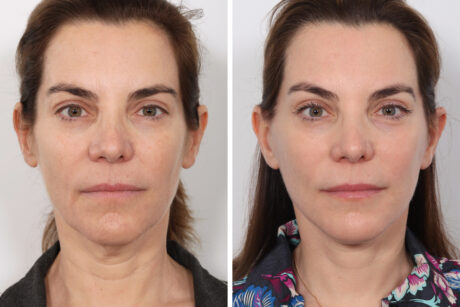
Facelift Before and After: Real Results, What to Expect, and Expert Tips
When people search for facelift before and after photos, they're looking for one thing: honest, real-world proof that the procedure works. A facelift — medically known as a rhytidectomy — is one of the most transformative cosmetic surgery procedures available, designed to address sagging skin, deep facial folds, and loss of definition along the jawline and neck. But what does the journey truly look like, from consultation through recovery to final results? This comprehensive guide walks you through everything you need to know.
Whether you're in the early stages of considering a facelift or actively comparing surgeons, understanding realistic expectations is the most important first step. For more beauty, health, and lifestyle insights, visit MixnInfo.
What Is a Facelift? Understanding the Basics
A facelift is a surgical procedure that repositions and tightens the underlying facial muscles and removes or redistributes excess skin to restore a more youthful, refreshed appearance. Unlike non-surgical treatments such as fillers or Botox, a facelift delivers long-lasting, structural change — not just surface-level improvement.
Modern facelift techniques target multiple layers of the face, including the SMAS (superficial musculoaponeurotic system), which is the deeper muscle layer responsible for most visible aging signs. Surgeons today focus on natural-looking outcomes that avoid the overdone, pulled appearance associated with older techniques.
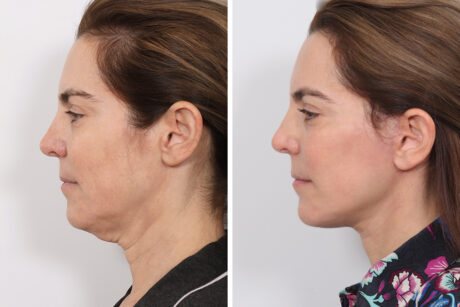
Side profile before & after facelift
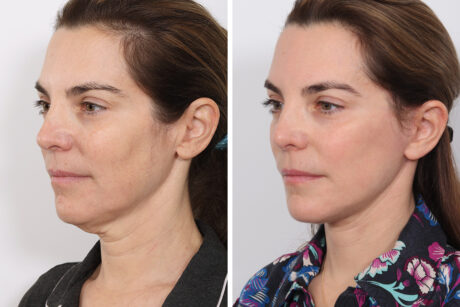
Three-quarter view showing jawline refinement
Facelift Before and After: What Real Patient Photos Show
Reviewing genuine facelift before and after photographs is one of the most valuable steps in your research process. These images reveal what a skilled surgeon can realistically achieve — and help calibrate your own expectations.
The most dramatic improvements are typically seen in the mid-face, jowl area, and neck. Patients often report looking 10 to 15 years younger while still appearing completely natural. Here is a selection of real patient results showing multiple angles:
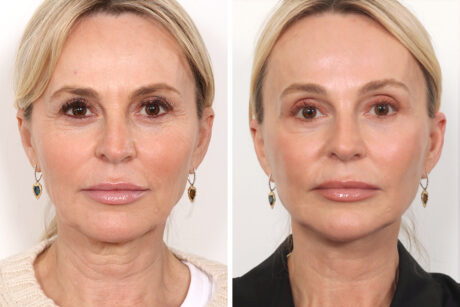
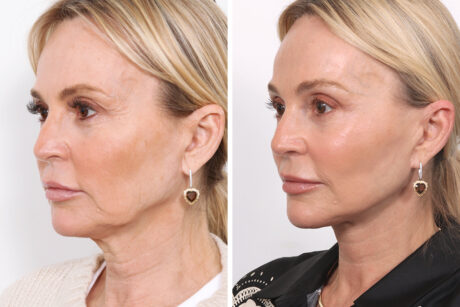
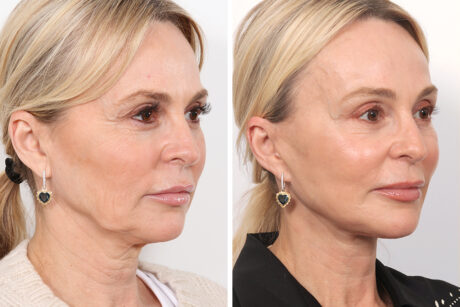
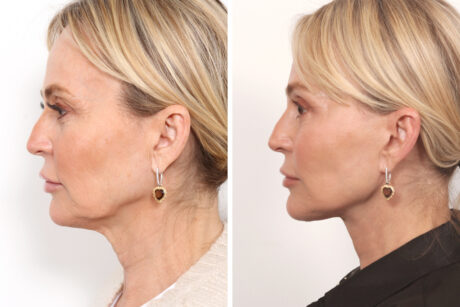
Left side profile result
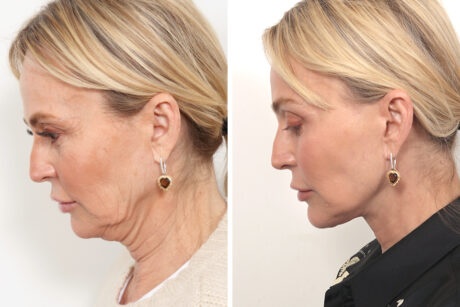
Left downward angle — neck improvement
As you can see, high-quality results preserve facial identity while restoring lost volume and contour. The neck and jawline are often dramatically improved, with sagging skin lifted and excess tissue removed.
Combined Procedures: Facelift With Brow Lift
Many patients choose to combine their facelift with complementary procedures like a brow lift, which addresses sagging brows, forehead wrinkles, and a tired expression around the upper face. Combining procedures in a single surgical session reduces total recovery time and allows the surgeon to create harmonious, balanced results across the entire face.
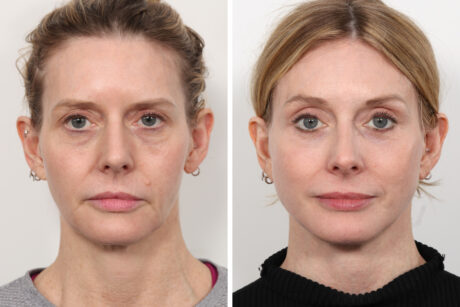
Combined facelift + brow lift — front view

Combined result — quarter angle
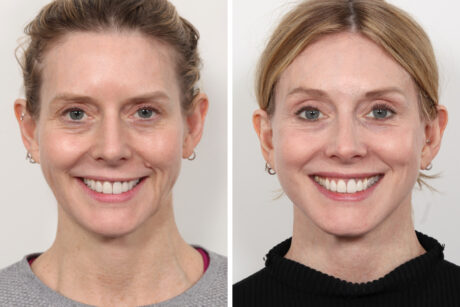
Natural smiling expression post-procedure
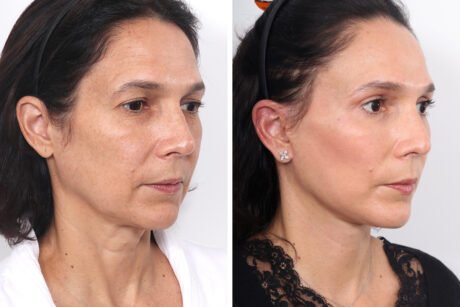
Brow lift closeup before & after
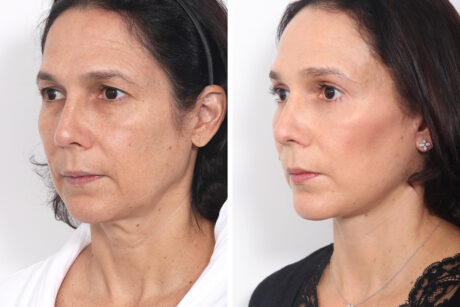
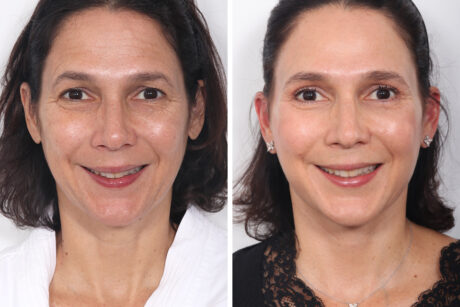
- A brow lift is ideal if you have a heavy, low brow or deep forehead lines alongside facial sagging.
- Combining procedures in one session typically means one anesthesia event, less total downtime, and cost savings.
- Always consult with your board-certified plastic surgeon to determine which combination best addresses your concerns.
- Review combined facelift before and after photos specifically to assess how upper and lower face improvements complement each other.
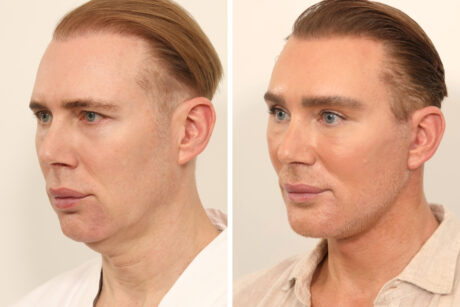
Facelift for Men: Before and After Results
Facelifts are increasingly popular among men, who seek to restore a sharper, more defined jawline and reduce neck laxity without losing their masculine features. Male facelift techniques are adapted to account for differences in facial anatomy, skin thickness, and hairline patterns.
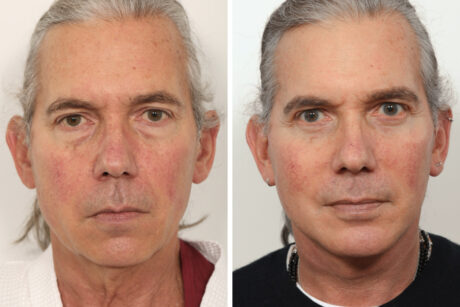
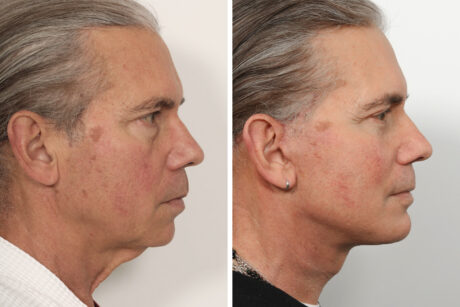
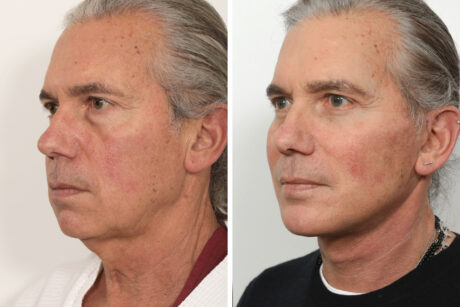
These male patient results demonstrate how a well-executed facelift preserves strong, natural masculine features while eliminating jowling, neck banding, and excess skin. The results appear entirely natural — not feminized or overly altered.
More Patient Gallery: Diverse Results and Angles
Every patient's anatomy is unique, and the best surgeons tailor their approach accordingly. Below are additional facelift before and after results from multiple patients, showcasing the consistency of high-quality outcomes across different ages, skin types, and facial structures.
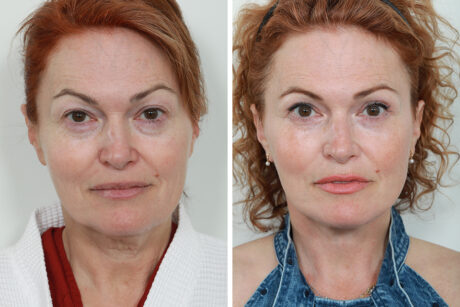
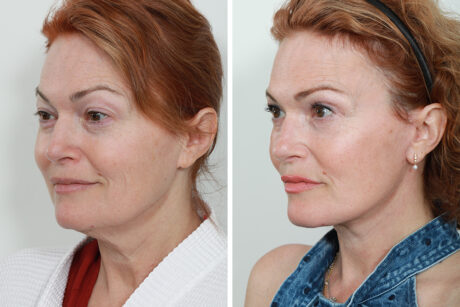
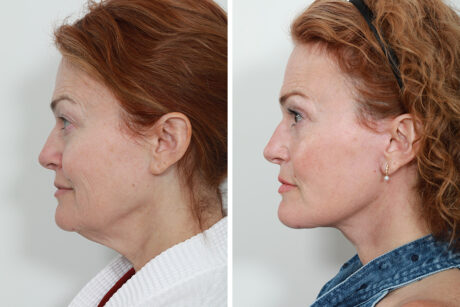
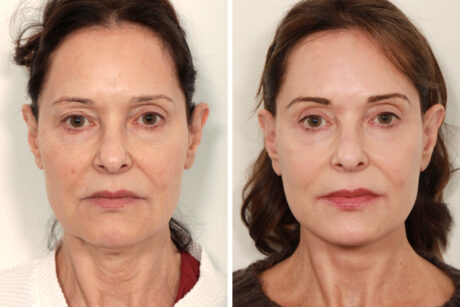
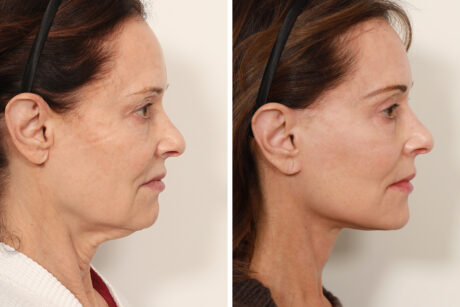
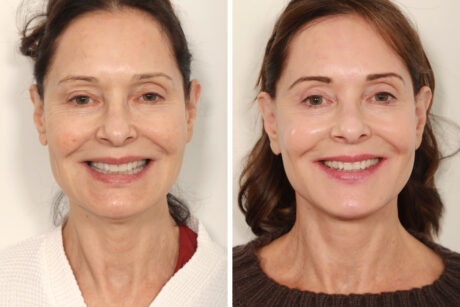
2025 Patient Results: Latest Facelift Outcomes
Surgical techniques continue to evolve. The most recent patient results from 2025 reflect advances in minimally invasive approaches, refined SMAS techniques, and improved recovery protocols that lead to faster healing and even more natural outcomes.
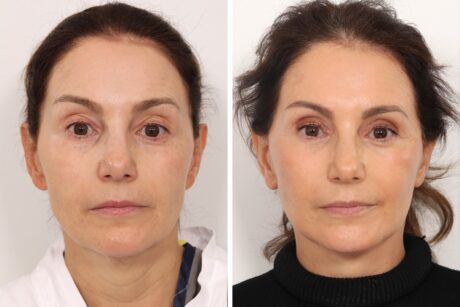
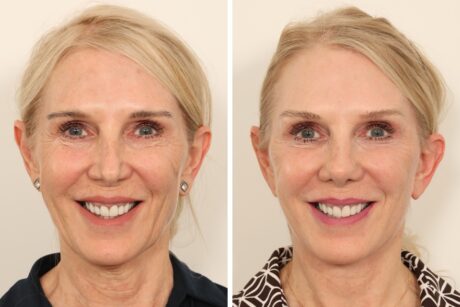

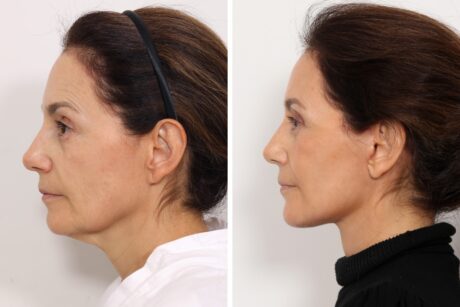
Left side — 2025 result
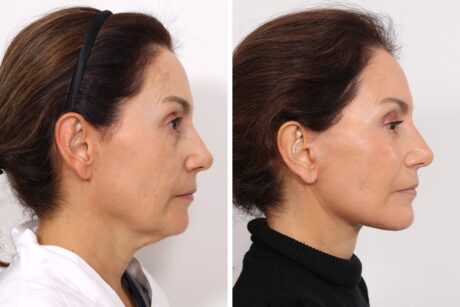
Right side — 2025 result
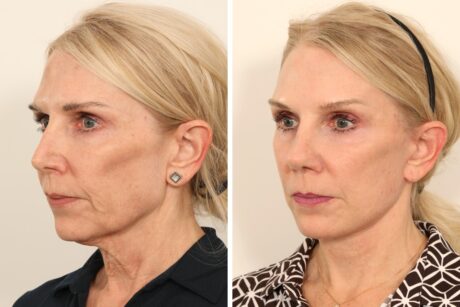
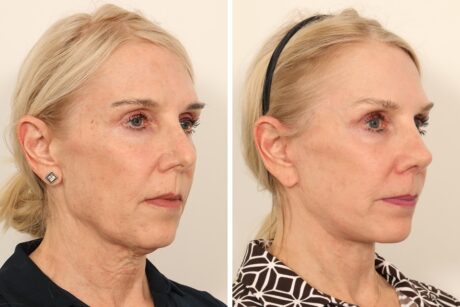
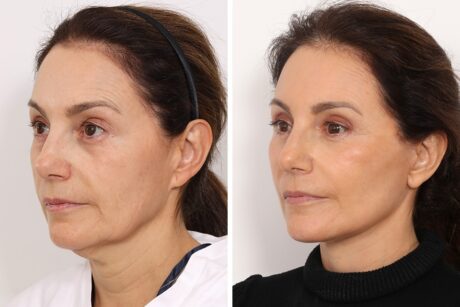
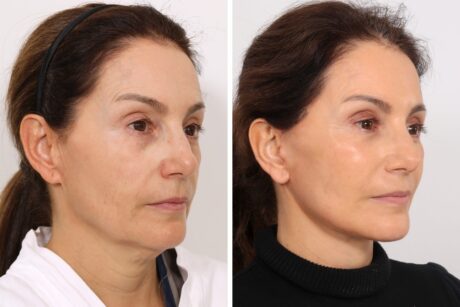
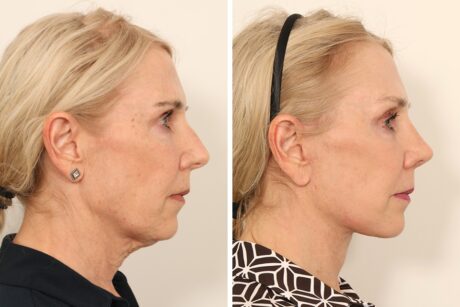
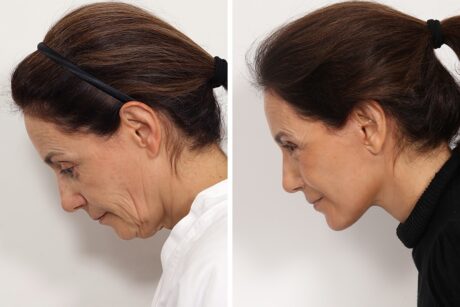
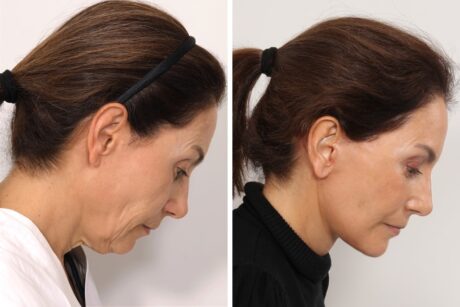
Right downward angle — 2025 patient result
More 2025 Gallery: Additional Patient Perspectives
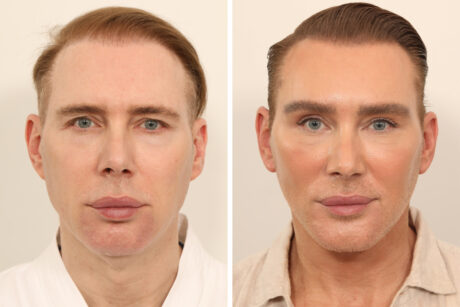
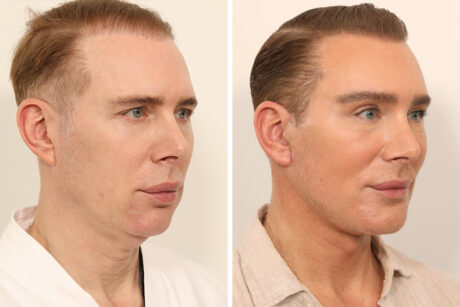
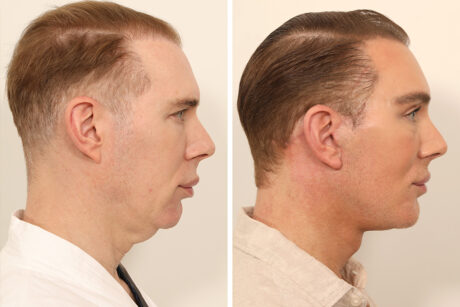
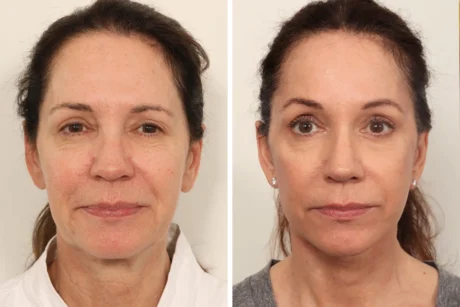
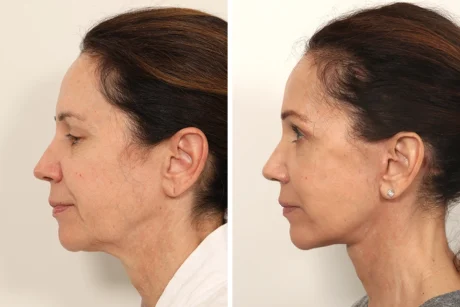
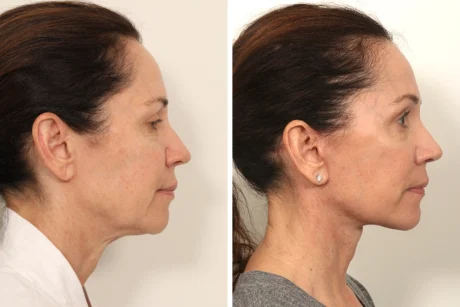
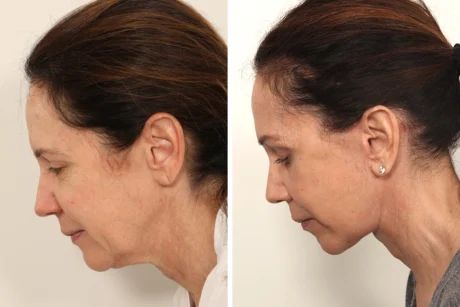
Expert Tips: How to Evaluate Facelift Before and After Photos
- Consistent lighting and angles: Reputable surgeons photograph patients under identical conditions both before and after surgery. Be wary of photos with very different lighting or camera angles.
- Multiple angles: Quality results look natural from front, side, and three-quarter views — not just one flattering angle.
- Natural expressions: Look for photos of patients smiling or making natural expressions. Over-tightened results look unnatural, especially in motion.
- Appropriate age of results: Final results are best assessed 6–12 months post-surgery, once swelling has fully resolved.
- Similar demographics: Look for patients with comparable age, skin type, and facial structure to your own for the most realistic expectations.
- Neck and jawline definition: These areas are often the most telling indicators of a skilled facelift — well-defined jawlines and smooth necks indicate proper SMAS manipulation.
The Facelift Recovery Timeline: What to Expect
Understanding the recovery process is just as important as evaluating results. Many patients are surprised to learn that the final results of a facelift aren't visible until several months after surgery. Here's a general recovery timeline:
Days 1–3: Significant swelling and bruising. Drainage tubes may be in place. Rest is essential, and the head should be kept elevated.
Week 1–2: Sutures are typically removed. Most patients can return to light activity, though swelling persists. Many take 2 weeks off work.
Weeks 3–6: Swelling continues to diminish. Most social activities can resume, and make-up can usually be worn to camouflage residual bruising.
Months 3–6: The majority of swelling has resolved, and results become more apparent. Scars continue to mature and fade.
Month 12+: Final results are clearly visible. Most patients report feeling that their appearance is completely natural and refreshed at this stage.
- Follow your surgeon's post-operative instructions precisely — especially regarding activity restrictions and wound care.
- Avoid strenuous exercise for at least 4–6 weeks post-surgery.
- Protect incision scars from sun exposure for at least one year to prevent darkening.
- Maintain a stable weight — significant weight fluctuations can affect and shorten facelift longevity.
- Stay well-hydrated and follow a skin care routine recommended by your surgeon to support healing.
- Be patient — rushing to judge results at 2 weeks is not representative of the final outcome.
How to Choose the Right Facelift Surgeon
The single most important factor in your facelift before and after outcome is the surgeon you choose. Here are the key criteria to evaluate:
Board Certification: Your surgeon should be board-certified by the American Board of Plastic Surgery (ABPS) or an equivalent national body. This ensures rigorous training and ethical standards.
Specialization: Choose a surgeon who specializes in facial plastic surgery and performs a high volume of facelifts each year. The more procedures a surgeon performs, the more refined their technique becomes.
Extensive Before and After Gallery: A confident, experienced surgeon will have a large, transparent gallery of real patient results — not just their best handful of cases.
Thorough Consultation Process: Your surgeon should take time to understand your goals, explain the procedure in detail, and clearly communicate what results are realistic for your anatomy.
- How many facelifts do you perform per year, and can I see a full gallery of your results?
- What technique do you recommend for my specific concerns, and why?
- What are the most common complications, and how do you manage them?
- Will my surgery be performed in an accredited facility, and what anesthesia will be used?
- What does the recovery process look like, and what support do you provide post-operatively?
Facelift Longevity: How Long Do Results Last?
One of the most common questions patients ask is how long facelift results last. Most patients can expect their results to last 7 to 10 years, though this varies based on genetics, lifestyle, and the specific technique used. While a facelift cannot stop the aging process, it effectively "resets the clock," meaning patients will continue to look younger than they would have without the procedure even as natural aging continues.
Maintaining results involves protecting skin from UV damage, not smoking, staying at a stable weight, and following a diligent skincare routine. Some patients choose to complement their facelift with non-surgical maintenance treatments like Botox, fillers, or laser resurfacing over the years.
For more tips on maintaining your appearance and living your best life at any age, explore additional resources at MixnInfo.
Final Thoughts: Is a Facelift Right for You?
Viewing facelift before and after photos is an important step, but the decision to undergo surgery is deeply personal. The best candidates are individuals who are in good general health, have realistic expectations, and are motivated by their own desire for improvement — not external pressure.
The transformative results shown throughout this gallery represent what is achievable when an experienced, board-certified surgeon applies refined technique tailored to an individual patient's anatomy. Whether you're considering a standalone facelift, a combined procedure with a brow lift, or simply exploring your options, arming yourself with knowledge is the first step toward making a confident, informed decision.
Want more health, beauty, and lifestyle content? Visit our blog for the latest tips and guides.
Explore MixnInfo →